How to Find Quality Suppliers in Vietnam: A Guide

Finding reliable suppliers is crucial for businesses looking to source products from Vietnam. With its growing manufacturing capabilities and competitive pricing, Vietnam has become a hotspot for international trade. However, navigating the supplier landscape can be challenging. This guide will help you identify quality suppliers in Vietnam, ensuring that your business thrives.
Understanding the Vietnamese Market
Vietnam's economy has been rapidly growing, making it an attractive destination for sourcing products. The country is known for its diverse manufacturing sectors, including textiles, electronics, and furniture. Understanding the market dynamics is essential for finding the right suppliers.
Key Industries in Vietnam
Textiles and Garments
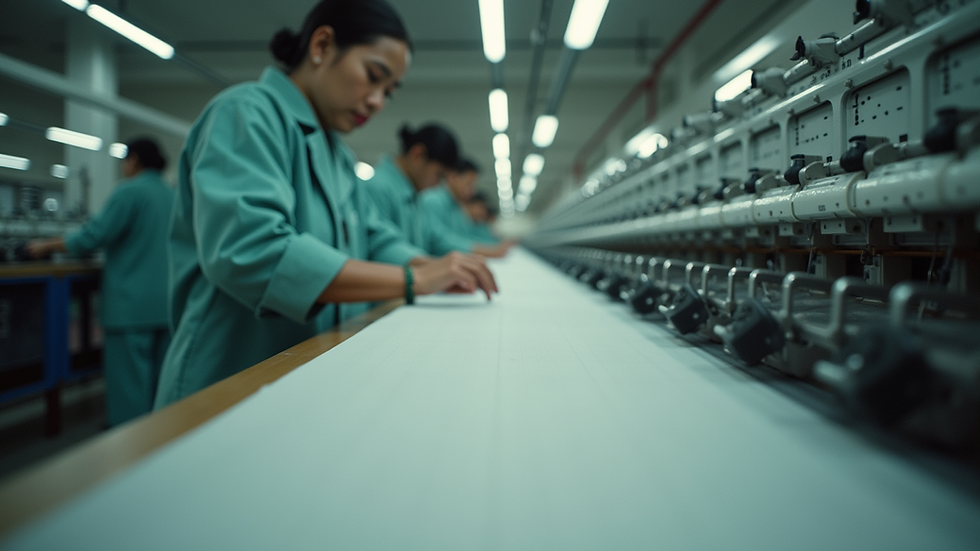
Vietnam is one of the largest textile exporters in the world. The country produces a wide range of clothing, from casual wear to high-end fashion.
Electronics
With major companies like Samsung and Intel investing in Vietnam, the electronics sector is booming. This includes everything from consumer electronics to components.
Furniture
Vietnam is renowned for its wooden furniture, which is exported globally. The craftsmanship and quality of materials make it a preferred choice for many buyers.
Market Trends
Sustainability: There is a growing demand for eco-friendly products. Suppliers who prioritize sustainable practices are becoming more popular.
Technology Integration: Many manufacturers are adopting advanced technologies to improve efficiency and product quality.
Steps to Find Quality Suppliers
Finding the right supplier involves several steps. Here’s a structured approach to help you in your search.
1. Define Your Requirements
Before you start looking for suppliers, clearly define what you need. Consider the following:
Product Specifications: What materials, sizes, and features do you require?
Quantity: How many units do you need?
Budget: What is your price range?
2. Conduct Online Research
Utilize online platforms to find potential suppliers. Websites like Alibaba, Vietnam Export, and Global Sources can be helpful. Look for suppliers with:
Positive Reviews: Check ratings and feedback from previous customers.
Certifications: Ensure they have relevant certifications (e.g., ISO, CE) that indicate quality standards.
3. Attend Trade Shows
Trade shows are excellent opportunities to meet suppliers face-to-face. Events like the Vietnam International Trade Fair (Vietnam Expo) allow you to:
Network: Build relationships with suppliers and industry professionals.
Evaluate Products: See and touch products before making decisions.
4. Verify Supplier Credentials
Once you have a list of potential suppliers, verify their credentials. This can include:
Business Licenses: Ensure they are legally registered.
Factory Visits: If possible, visit their manufacturing facilities to assess their operations.
5. Request Samples
Before placing a large order, request samples of the products. This allows you to evaluate:
Quality: Check if the product meets your specifications.
Lead Times: Understand how long it takes to produce and deliver.
6. Negotiate Terms
Once you’ve selected a supplier, negotiate terms that work for both parties. Key points to discuss include:
Pricing: Ensure the price aligns with your budget.
Payment Terms: Agree on payment methods and timelines.
Delivery Schedules: Set clear expectations for delivery dates.
Building a Strong Relationship with Suppliers
Once you’ve found a quality supplier, it’s important to build a strong relationship. This can lead to better pricing, priority service, and improved communication.
Communication is Key
Maintain open lines of communication. Regular check-ins can help address any issues before they escalate. Use tools like email, messaging apps, or video calls to stay connected.
Provide Feedback
Constructive feedback helps suppliers improve their products and services. Be honest about your experiences, and encourage them to share their insights as well.
Foster Trust
Trust is essential in any business relationship. Be transparent about your needs and expectations, and ensure that you honor your commitments.
Challenges to Consider
While Vietnam offers many opportunities, there are challenges to be aware of:
Language Barriers: Communication can be difficult if you don’t speak Vietnamese. Consider hiring a local agent or translator.
Cultural Differences: Understanding Vietnamese business culture can help you navigate negotiations more effectively.
Quality Control: Implement quality control measures to ensure products meet your standards.
Conclusion
Finding quality suppliers in Vietnam requires careful planning and research. By following the steps outlined in this guide, you can navigate the supplier landscape effectively. Remember to build strong relationships with your suppliers, as this can lead to long-term success. As you embark on your sourcing journey, keep an open mind and be prepared to adapt to the unique challenges and opportunities that Vietnam presents.


Comments